Full-stack growth automation
Full-Stack Growth Automation: How One AI Agent Runs Every Channel
On this page
A founder I talked to last month had a Notion page listing her growth stack: Ahrefs for keywords, a separate writing tool for posts, Meta Ads Manager, an outbound platform for cold email, and a popup tool for the site. Five logins, five dashboards, five bills. She had a winning ad. The hook "stop reconciling spreadsheets by hand" was beating everything else in her ad account by a wide margin. That exact phrase appeared nowhere in her blog posts, nowhere in her cold emails, and nowhere on her landing page. The message her own audience was voting for with clicks was trapped inside one tool, and none of the others had any way to know it existed.
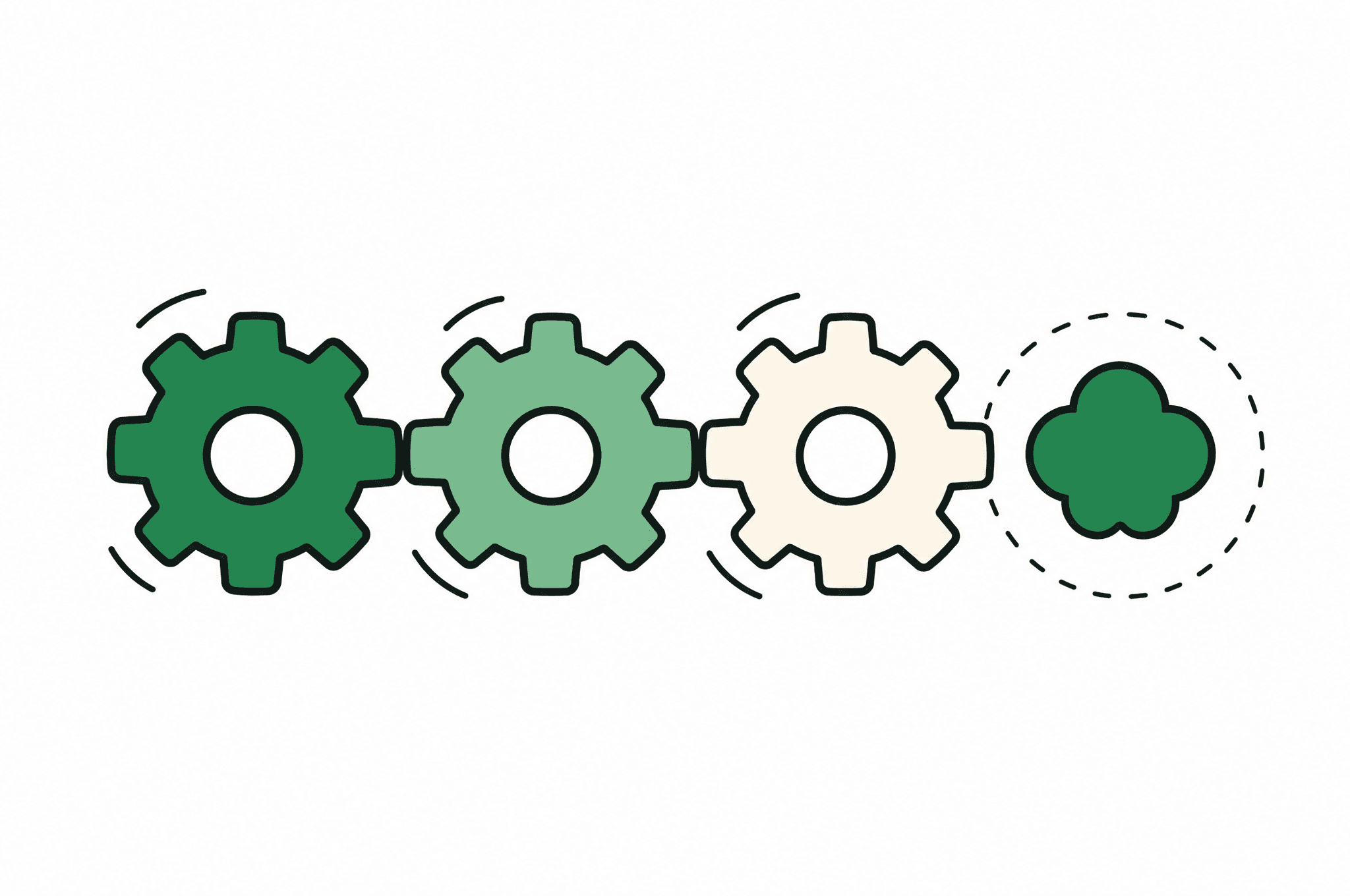
That is the real problem with the modern growth stack. It is not that the tools are bad. It is that they do not share a brain. Each one automates its own lane and learns nothing from the others. Full-stack growth automation is the bet that this is backwards: one agent running every channel on a single learning loop compounds in a way that five disconnected point tools never can.
Point tools each learn in a silo
Watch what actually happens inside a typical stack. The ad tool A/B tests headlines and finds a winner. The SEO tool tracks rankings and suggests keywords. The outbound tool reports reply rates by subject line. Each one optimizes its own metric well. None of them can see the other three.
So the ad account learns that "cut your close time in half" outperforms "modern CRM for teams," and that lesson dies in the ad account. The SEO tool keeps recommending posts around the generic phrase because it never saw the click data proving which angle your buyers respond to. The outbound tool, meanwhile, is sending a subject line nobody on the team has tested against the ad data sitting one tab over. This is the structural flaw: a stack of point tools has no shared memory, so every channel relearns the same lessons from scratch, slowly, in isolation. You, the founder, are the only integration layer, and you do not have time to be a message-passing bus between five dashboards at 11pm. The result is that a lesson worth thousands of dollars in ad spend stays locked in one tool while three other channels burn budget rediscovering it.
A shared brain compounds across channels
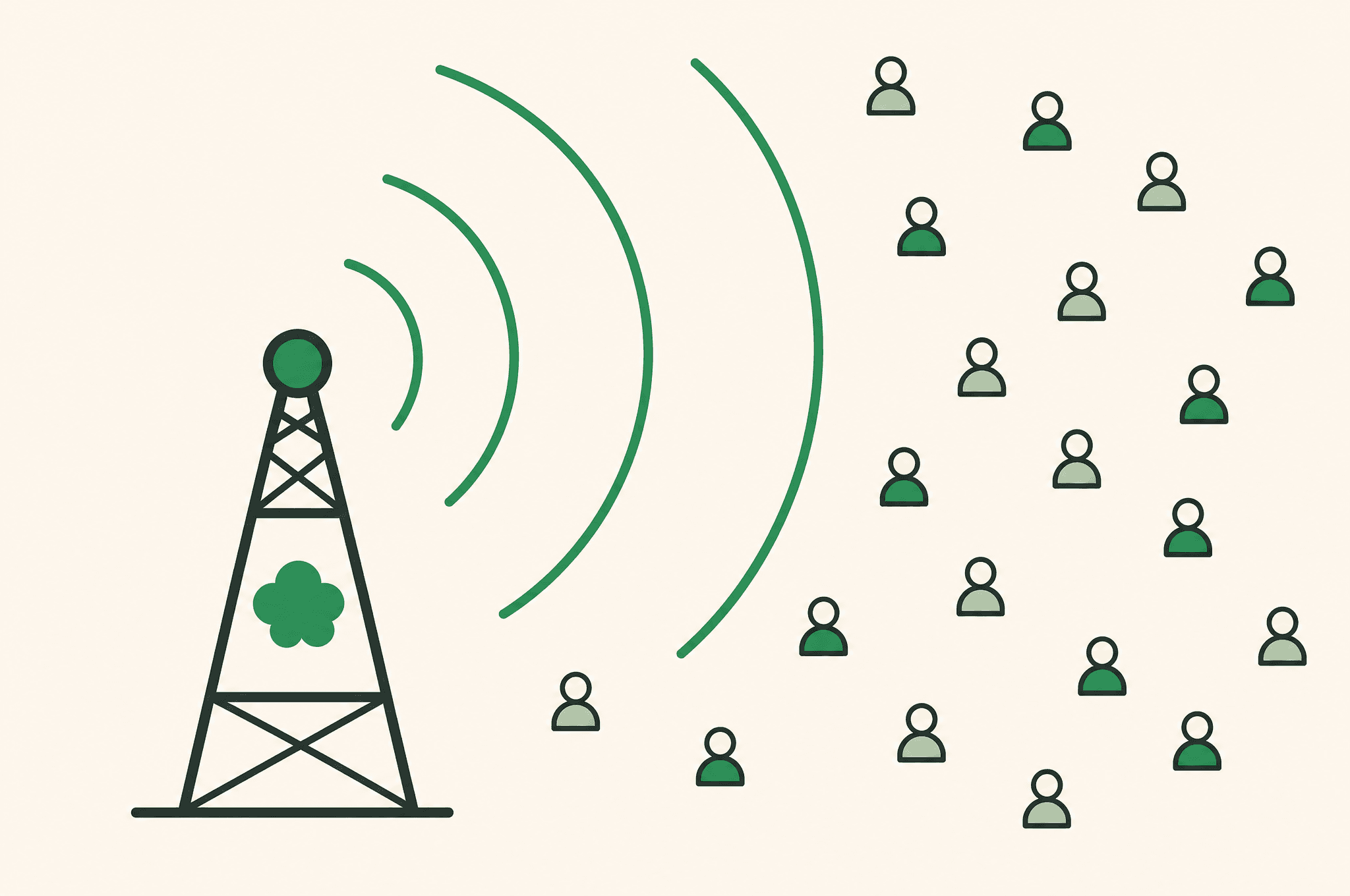
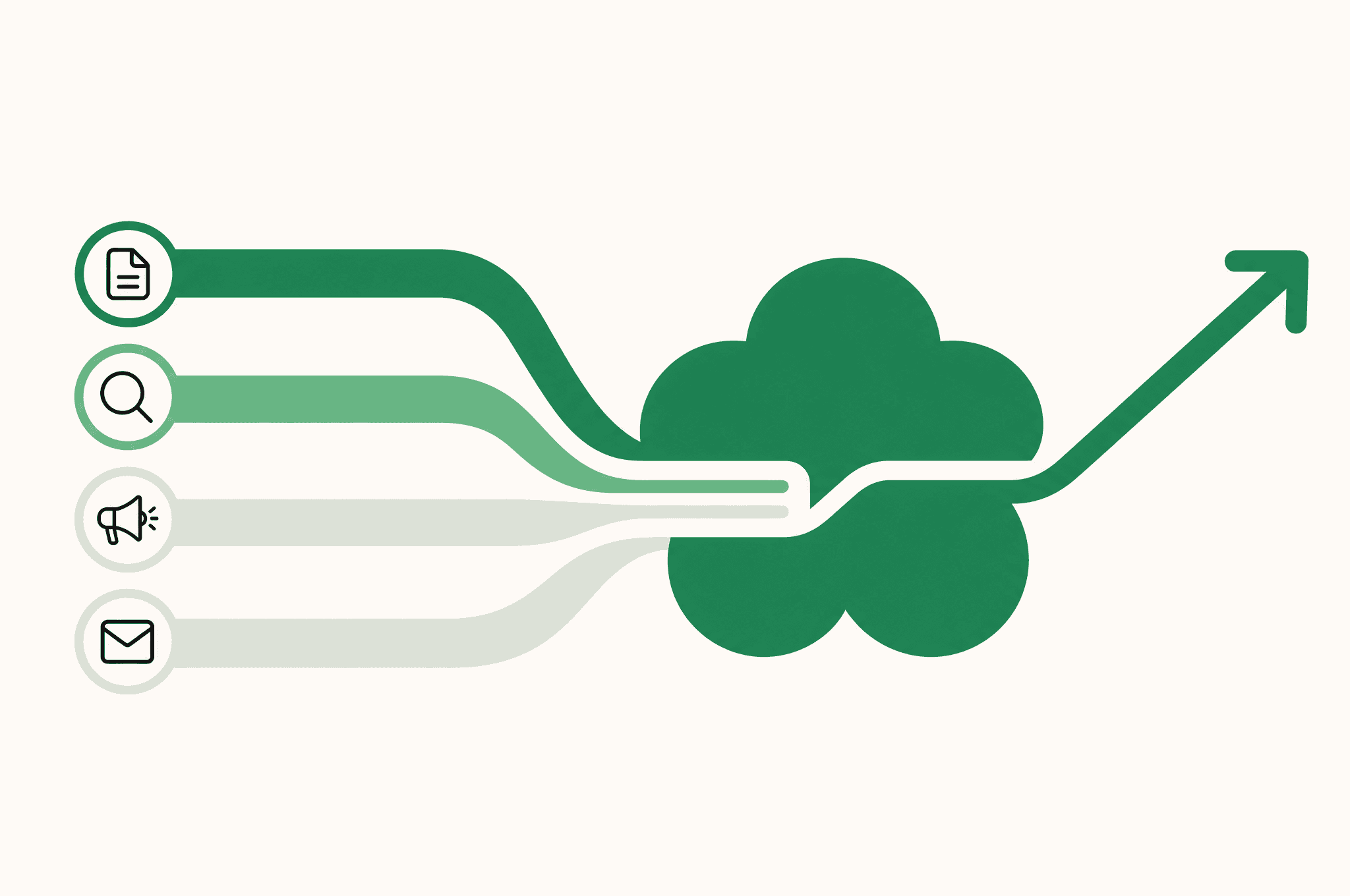
Now flip it. One agent writes your blog posts, runs your ads, and sends your outbound. When an ad hook wins, the agent already knows, because the same brain is holding the ad results, the content calendar, and the email sequence at once. It can take that winning phrase and test it as a blog headline, a cold email subject line, and a landing page header within the same week.
This is the entire argument for AI growth agents over a pile of single-purpose tools: the value is in the handoffs, not the lanes. A message that converts is rare and expensive to find. Once you have one, the question is how fast you can spread it to every place a buyer might meet you. A shared brain spreads it in days. Five tools spread it never, because no tool owns the path between them. The compounding is not magic. It is just one system that remembers what worked in channel A when it sits down to write channel B.
SEO and ads should feed each other
Treating search and paid as separate budgets is the most expensive habit in early growth. They answer the same question (what does my buyer want) with two different speeds of feedback.
Ads give you that answer in 48 hours. Run five angles for a few hundred dollars, and the click-through and conversion data tell you which promise lands before you have written a single blog post. That is paid acting as a research lab for organic. An agent running both takes the winning ad angle and turns it into the next month of content, so your SEO for startups effort targets the messages you already proved convert, not the ones a keyword tool guessed at. The reverse runs too: a blog post that quietly ranks and pulls steady signups is a tested message you can pour ad budget behind with confidence, because organic conversions already told you the angle works at zero acquisition cost. Point tools cannot do this trade because neither one can see the other's results. One agent treats them as a single feedback loop with a fast lane and a slow lane, and it stops you from spending three months ranking for a phrase the ad data would have killed in three days.
Outbound gets sharper from the same loop
Cold outbound is where the shared brain pays off most, because outbound lives or dies on relevance and most founders write it from a blank page. This is the structural gap in standalone AI SDR tools: they automate the sending but start every sequence from a guess, because they cannot see what the other channels have proven. The agent does not start blank. It already knows which value proposition wins in ads and which blog posts pull traffic, so the cold email leads with a message that has evidence behind it rather than a guess.
It works the other way too. Replies to outbound are the rawest market feedback you can get, real prospects telling you in their own words what they care about and what they ignore. An agent that reads those replies can feed the language straight back into ad copy and the next post. Building this whole motion alone is the hard version of the one-person growth stack, and it is exactly the cross-channel wiring that a single agent handles and a folder of tools cannot.
Conversion is the channel everyone forgets
Most growth automation stops at the click and ignores what happens after. That is a mistake, because the landing page is where every channel's traffic finally converts or leaks, and it should be learning from the same loop as the rest.
If "stop reconciling spreadsheets by hand" is the hook winning across ads, search, and email, it belongs on the page those channels point to. When the headline visitors land on matches the promise that pulled them in, conversion climbs without spending another dollar on traffic. This is the connective work that lives between an ad and a signup, and it is why AI CRO tools matter inside a full-stack motion rather than as one more standalone subscription. An agent that runs the channels and the page closes the loop: the message that wins upstream gets tested on the page where it has to pay off, so you are not driving qualified clicks into a header that contradicts the ad they just saw.
What the founder still owns
The honest limit: full-stack growth automation runs the execution, not the company. The agent does the research, the drafting, the scheduling, and the cross-channel handoffs that used to need an SEO writer, a media buyer, and an SDR. It does not decide who you are, which market you are fighting for, or which bet is worth real money. That is still yours.
Revnu is built on exactly this line. It runs SEO, ads, and outbound for founders across channels on one shared learning loop, and every single draft (every post, every ad, every cold email) waits for your approval before it ships. Nothing goes out in your name that you did not read. The agent removes the labor that buries a solo founder and keeps the judgment where it belongs, with the person who actually understands the business. Strategy is not a thing you automate. Execution is, and that is where the hours go.
Where this leaves you
The growth stack you are paying for is probably five tools that have never once compared notes. Each is competent in its lane and blind to the other four, which means your best-converting message is stuck wherever it was discovered while the rest of your funnel guesses. Full-stack growth automation is the fix that does not involve hiring: put every channel under one agent so a win in any of them propagates to all of them. Revnu runs that loop end to end (SEO, ads, outbound, and the page they land on) and waits for your yes before anything sends. If you are the only integration layer your growth stack has, that is the job to hand off first. Start with one channel, let the agent prove the loop, then watch it carry the lesson to the next.
Let Revnu run this for you.
Connect your product and Revnu drafts the SEO, ads, and outbound. You approve in one tap. Book a 15-minute call and see it on your stack.
Book a demoFrequently asked questions
What is full-stack growth automation?
It is one agent running every demand channel (SEO, ads, outbound, conversion) on a single shared learning loop, instead of five point tools that each automate one lane in isolation. The difference is the loop: what wins in ads informs the next blog post and the next cold email, because one brain holds the whole picture rather than five dashboards that never talk.
How is this different from using separate marketing tools?
Separate tools each optimize their own metric and never share what they learn. A winning ad headline stays trapped in the ad account. Full-stack growth automation runs all the channels through one agent, so a message that converts in one place gets tested in the others within days. The compounding comes from shared memory, which a stack of disconnected tools structurally cannot have.
Can one AI agent really run SEO, ads, and outbound at once?
It can run the execution: research, drafting, scheduling, and the cross-channel handoffs. What it does not own is strategy or final sign-off. A good agent like Revnu drafts every blog post, ad, and email and waits for your approval before anything ships. You still pick the bets and decide who you are. The agent removes the labor, not the judgment.
Do I still need a marketing team with growth automation?
For a founder or a small team, an agent covers the execution that used to need three or four hires: an SEO writer, a media buyer, an SDR, a CRO analyst. You keep ownership of strategy, brand, and approval. As you scale you may add people for the work that needs taste and relationships, but the early grind that buries solo founders is exactly what automates well.
Written by
Art Freebrey
Co-founder, Revnu